The kitchen counter looks spotless for exactly six hours after cleaning. Then the mail arrives, someone sets down their keys, a random Amazon box appears, and suddenly there’s clutter everywhere again.
The pantry was organized last month—every container labeled, everything visible. Now? Mystery boxes in the back, expired food hiding behind new groceries, and three half-empty bags of pasta because nobody could see what was already there.
The closet has plenty of space, technically. But getting dressed takes twenty minutes of digging because nothing’s where it should be, and half the clothes never get worn because they’re invisible behind everything else.
Sound familiar?
Here’s the thing about organization: cleaning isn’t the problem. The problem is not having systems.
A system is what keeps things organized after the initial cleanup. It’s knowing where items live, having a designated spot for everything, and creating habits that maintain order without constant effort. With the right systems, homes stay organized naturally instead of requiring daily battles against chaos.
This guide teaches how to create organization systems that actually work for real life—not Pinterest-perfect systems that look beautiful but collapse within a week.
The difference between a home that stays organized and one that constantly needs re-organizing? Systems. And those systems are surprisingly simple once you understand the principles behind them.
Let’s start with the foundation.
The Organization Mindset
Before you buy a single storage container, we need to talk about why your previous organization attempts failed.
Organization Isn’t About Buying More Stuff
The Container Store isn’t going to solve your problems. I know it’s tempting to think that the perfect basket or drawer divider will magically organize your life, but here’s the truth: you can’t organize clutter.
All those beautiful organizational products work when you’ve already decided what to keep, where it lives, and how often you use it. They’re the support system, not the solution.
It’s About Creating Homes for Items
Everything you own needs a designated home. Not “somewhere in the kitchen,” but a specific shelf, drawer, or basket. When items don’t have homes, they become homeless clutter that migrates around your space.
The reason your counters accumulate random stuff? Those items are homeless. They don’t have a clear, obvious place to live, so they squat wherever you set them down.
Systems Must Match Your Actual Behavior
Stop trying to organize the way Pinterest tells you to organize. If you’re not going to fold your fitted sheets into perfect squares, don’t create a system that requires it. If you always drop your keys on the counter instead of hanging them up, put a bowl on the counter.
The best organization system is the one you’ll actually use, even when you’re tired, rushed, or don’t feel like it.
Maintenance Happens in Small Moments
You don’t need hour-long cleaning sessions if you have five-minute reset routines. When everything has a home, putting things away takes seconds, not hours.
The goal isn’t perfection. It’s having systems that prevent complete chaos and make tidying effortless.
The 5 Principles of Lasting Organization
These principles apply to every room, every drawer, every closet in your home.
1. Declutter First, Organize Second
You cannot organize your way out of having too much stuff. Before you organize anything, ruthlessly declutter.
Ask yourself:
- Have I used this in the past year?
- Would I buy this again today?
- Does this serve a current purpose in my life?
- Am I keeping this out of guilt or obligation?
Get rid of duplicates. Donate the “just in case” items you never use. Throw away the broken things you’ll never fix.
The One-In-One-Out Rule: For every new item that enters your home, one similar item leaves. This prevents re-accumulation.
2. Group Like Items Together
All batteries in one place. All cleaning supplies in one area. All office supplies in one drawer.
When similar items are scattered, you forget what you have, buy duplicates, and waste time searching. Grouping makes everything visible, accessible, and easy to maintain.
3. Store Items at Point of Use
Don’t store dish soap under the bathroom sink because you have extra space there. Store it under the kitchen sink where you use it.
Items should live as close as possible to where you use them. This reduces friction and makes putting things away easier.
4. Use Vertical Space
Most people organize horizontally—stacking things flat in drawers and on shelves. This makes the bottom items inaccessible.
Organize vertically when possible. Use shelf risers, drawer dividers that create columns, and hanging organizers. Everything should be visible and reachable.
5. Label Everything
You might know what’s in that bin now, but will you remember in six months? Will your partner or roommate know?
Labels create accountability and make it easy for everyone to maintain the system. They also force you to be specific about what belongs where.
Kitchen Organization Systems
Your kitchen is the heart of your home and often the epicenter of clutter. Here’s how to create systems that actually function.
The Pantry System
The Problem: Expired food in the back, mystery containers, buying duplicates because you can’t see what you have.
The Solution: Zones, containers, and visibility.
Create Zones:
- Breakfast zone (cereal, oats, coffee, tea)
- Baking zone (flour, sugar, baking supplies)
- Snack zone (chips, crackers, nuts)
- Canned goods zone (soups, beans, vegetables)
- Pasta and grains zone
Decant into Clear Containers: Transfer flour, sugar, pasta, rice, cereal, and snacks into airtight clear containers. You’ll see what you have at a glance and keep everything fresh.
Products That Support This System:
- Vtopmart Airtight Food Storage Containers – Stackable, labeled, and they actually seal
- SimpleHouseware Stackable Can Rack Organizer – Keeps cans visible and prevents rolling chaos
- DecoBros Supreme Stackable Can Rack – For pantries with more vertical space
Label Everything: Use a label maker or write on containers. Include expiration dates for opened items.
FIFO Method (First In, First Out): New items go in back, older items move forward. You’ll never find expired food buried in the back again.
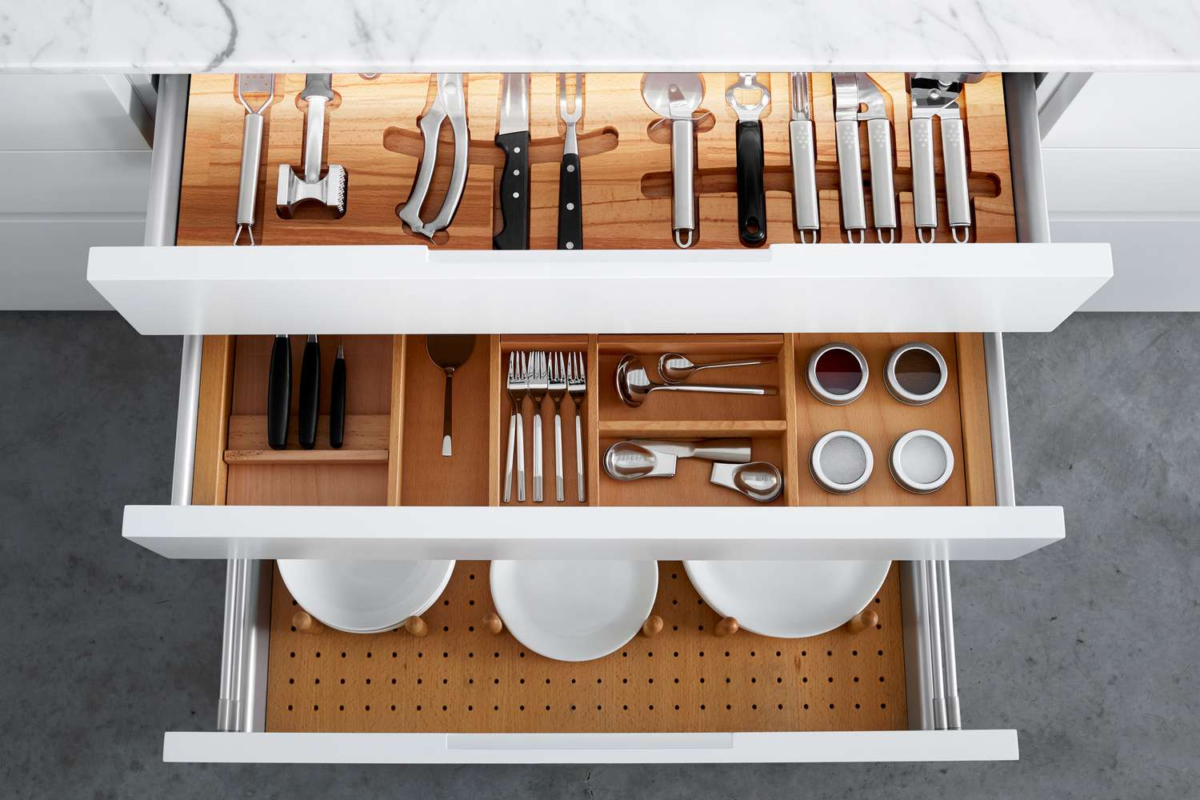
Kitchen Drawers
The Problem: Digging through piles of utensils, spatulas tangled with whisks, scissors you can never find.
The Solution: Compartmentalization and visibility.
The Utensil Drawer: Use expandable drawer dividers to create sections for each type of utensil. Wooden spoons together, spatulas together, measuring spoons together.
The Junk Drawer (yes, you can have one): Use small containers or drawer organizers to create sections. Designate what lives here: pens, scissors, tape, batteries, takeout menus. Everything else doesn’t belong.
Products That Support This System:
- madesmart Classic Large Silverware Tray – Actually fits in most drawers
- Expanded Kitchen Drawer Organizer – Adjustable compartments for different drawer sizes
- Joseph Joseph DrawerStore Compact Cutlery Organizer – Stacks vertically to maximize space
Vertical Organizing for Pots and Pans: Don’t stack pots inside each other. Use vertical dividers so each pan stands upright. You’ll see everything and grabbing one doesn’t require unloading the entire cabinet.
Under the Sink
The Problem: Pipes create awkward space, cleaning supplies in a pile, things falling over constantly.
The Solution: Work around the plumbing with tiered and pull-out storage.
Use Tiered Organizers: These create layers so items in back are still visible and accessible.
Pull-Out Drawers: Slide-out organizers bring everything to you instead of requiring awkward reaching.
Products That Support This System:
- Simple Trending Stackable Under Sink Organizer – Works around pipes, creates tiers
- Lynk Professional Roll Out Under Sink Drawer – Pulls out for full visibility
Contain Cleaning Products: Use a caddy for frequently-used cleaners so you can grab and go. Store backup supplies separately.
Refrigerator Organization
The Problem: Food hidden in back expires, mystery containers accumulate, spills create gross puddles.
The Solution: Clear bins, zones, and weekly maintenance.
Create Zones:
- Drinks zone
- Dairy zone (cheese, yogurt, butter)
- Meat/protein zone
- Produce zone
- Leftovers zone (give these prime real estate so you actually eat them)
Use Clear Bins: Group similar items in bins you can pull out like drawers. Everything stays contained and visible.
Products That Support This System:
- Clear Refrigerator Organizer Bins – Pull-out bins for drinks, snacks, produce
- Lazy Susan for Fridge – Perfect for condiments and jars
The Sunday Reset: Once a week, throw out expired food, wipe down shelves, and move older items forward.
Bedroom & Closet Organization
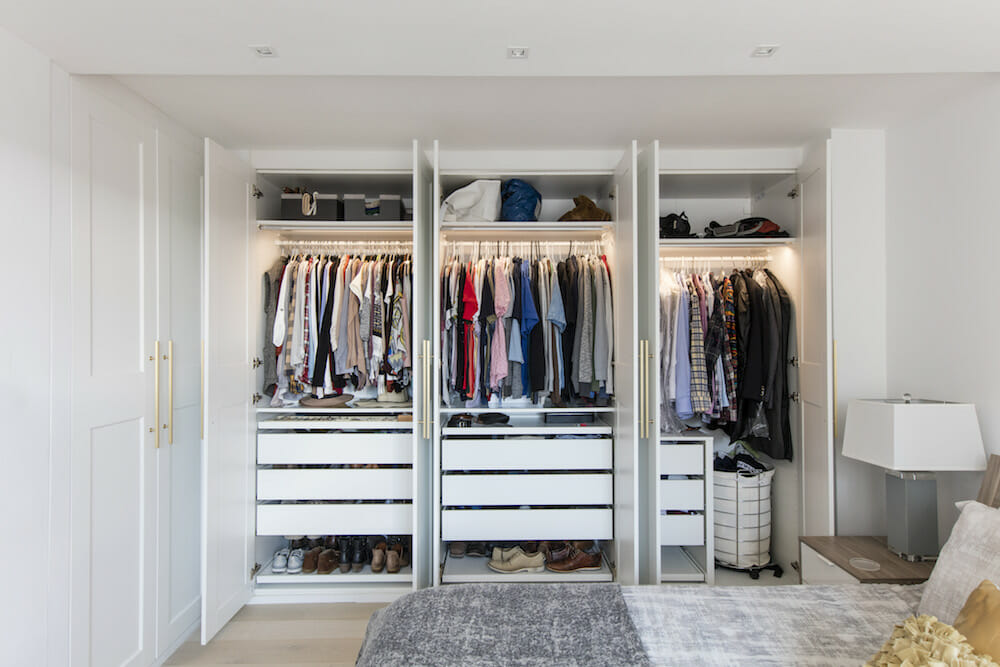
Your bedroom should be restful, not visually chaotic. Here’s how to organize the space where you start and end every day.
Closet Systems That Work
The Problem: Clothes jammed together, can’t see what you have, certain items never get worn.
The Solution: Strategic hanging, folding, and visibility.
The KonMari Folding Method: File-fold clothes vertically in drawers instead of stacking. You’ll see everything at once and nothing gets buried.
Hang by Category: All tops together, all pants together, all dresses together. Then organize by color within categories (light to dark). This makes getting dressed faster and shows you exactly what you have.
Use Slim Hangers: They save significant space and prevent clothes from slipping off.
Products That Support This System:
- Zober Non-Slip Velvet Hangers – Slim profile, clothes don’t slip
- Simple Houseware Closet Underwear Organizer – Drawer dividers for socks, underwear, bras
- SONGMICS Hanging Closet Organizer – Adds shelves without requiring installation
The One-Year Rule: If you haven’t worn it in a year, donate it. Exceptions: formal wear, seasonal items, sentimental pieces.
Seasonal Clothing Rotation
The Problem: Winter coats taking up space in July, summer dresses crowding your closet in December.
The Solution: Seasonal rotation with labeled storage.
Twice a Year Swap: When seasons change, pack away out-of-season clothes in labeled bins or vacuum bags. Store them under the bed, in the top of your closet, or in a storage area.
Products That Support This System:
- IRIS USA Clear Storage Boxes with Lids – See what’s inside, stack easily
- Space Saver Vacuum Storage Bags – Compress bulky winter items
Label with Season and Contents: “Winter – Sweaters and Coats” so you remember what’s inside.
Under-Bed Storage
The Problem: Wasted space under your bed that could be useful.
The Solution: Rolling bins for items you don’t need daily.
What Goes Under the Bed:
- Out-of-season clothes
- Extra bedding (guest sheets, extra comforters)
- Shoes in boxes
- Memory items in sealed containers
Products That Support This System:
- Underbed Storage Containers with Wheels – Roll out easily for access
- Clear Underbed Shoe Organizer – Stores up to 12 pairs, completely visible
Not Under the Bed: Anything you need frequently. This is long-term storage, not daily access.
Nightstand Organization
The Problem: Random items accumulate, charging cables tangled, drawers become junk drawers.
The Solution: Minimal surface, organized drawer.
Surface Rule: Only three items on your nightstand—lamp, alarm clock/phone, and one decorative or useful item (book, plant, candle).
Drawer System: Use small containers to create sections—one for medications, one for phone chargers, one for miscellaneous. Nothing loose rolling around.
Bathroom Organization
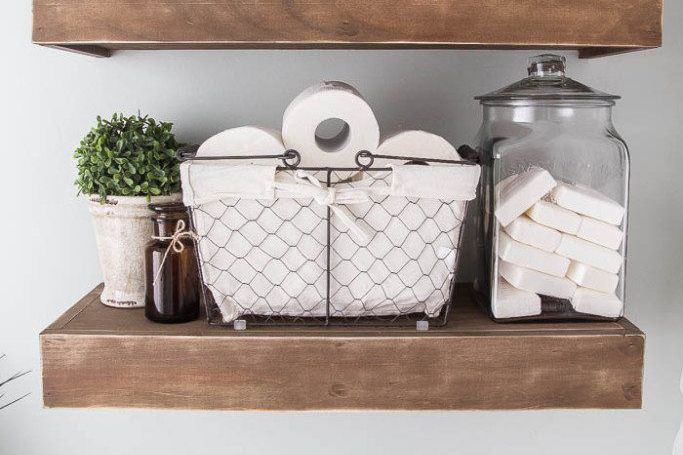
Small space, lots of products, high humidity. Bathrooms require strategic organization.
Counter and Vanity
The Problem: Products everywhere, cluttered counter, can’t find what you need in the morning rush.
The Solution: Daily essentials only, everything else hidden.
The Counter Rule: Only items you use every single day stay on the counter. Everything else goes in drawers or cabinets.
Use a Tray: Corrals your daily items (toothbrush, face wash, moisturizer) so they look intentional instead of scattered.
Products That Support This System:
- Marble Pattern Vanity Tray – Looks expensive, keeps things contained
- Bathroom Counter Organizer Cosmetic Storage – Clear acrylic, see everything
Drawer Dividers for Makeup: Small containers or drawer organizers create sections for different product types—lipsticks together, eyeshadows together, brushes together.
Medicine Cabinet
The Problem: Expired medications, random bottles, can’t find band-aids in an emergency.
The Solution: Purge, categorize, and use tiered storage.
Purge First: Check expiration dates. Medicine expires. Throw it out.
Create Categories:
- First aid (band-aids, antibiotic ointment, gauze)
- Pain relief (ibuprofen, acetaminophen)
- Allergy and cold medicine
- Prescription medications
- Daily vitamins
Use Tiered Organizers: You’ll see everything without moving bottles around.
Products That Support This System:
- mDesign Plastic Bathroom Vanity Organizer – Tiered, fits in most medicine cabinets
- Clear Stackable Organizer Bins – Pull-out bins for different categories
Shower and Tub
The Problem: Too many products, bottles falling, rust stains from metal caddies.
The Solution: Rust-proof storage and regular purging.
One-In-One-Out Rule: Before buying new shampoo, finish the current bottle. No backups in the shower.
Products That Support This System:
- Stainless Steel Shower Caddy – Rust-proof, multiple tiers
- Suction Cup Shower Shelves – No drilling required, removable
Monthly Purge: Once a month, remove anything you haven’t used. Empty bottles, products you don’t like, anything expired.
Linen Closet
The Problem: Towels falling over, can’t reach items in back, mystery items on every shelf.
The Solution: Folding technique, shelf dividers, and baskets.
Fold Towels the Hotel Way: Thirds lengthwise, then thirds again. They stack neatly and stay that way.
Use Shelf Dividers: Prevents stacks from toppling over.
Basket System: Use labeled baskets for categories—one for face cloths, one for beach towels, one for first aid supplies.
Products That Support This System:
- SimpleHouseware Closet Shelf Dividers – Keep towel stacks separate
- Woven Storage Baskets with Handles – Pull down easily, look good
Living Space Organization

Living rooms, family rooms, and common areas accumulate clutter because everyone uses them.
Media Center and Cord Management
The Problem: Tangled cords, remotes everywhere, cords visible and ugly.
The Solution: Cord concealment and designated remote storage.
Cable Management: Use cord clips or cable sleeves to bundle cords together and attach them to the back of furniture.
Products That Support This System:
- Cable Management Sleeves – Wraps around multiple cords, hides them
- Adhesive Cable Clips – Keeps cords organized along furniture edges
Remote Control Solution: Designate a basket or tray on your coffee table for remotes. They always go back in the basket, never lost between couch cushions.
Blanket and Pillow Storage
The Problem: Throw blankets draped everywhere, decorative pillows piled on the floor.
The Solution: Designated storage that’s easily accessible.
Blanket Basket: Large woven basket next to the couch holds throw blankets when not in use.
Pillow Strategy: Don’t have more decorative pillows than you’re willing to move twice a day (once to sit, once to sleep).
Coffee Table Organization
The Problem: Remote controls, coasters, mail, random items pile up.
The Solution: Trays and minimal items.
The Tray Method: Use a decorative tray to corral items on your coffee table. Only what’s on the tray stays on the table.
Coffee Table Rule: Three categories maximum—something decorative (book, plant, candle), something functional (remote caddy, coasters), and nothing else.
Home Office Organization
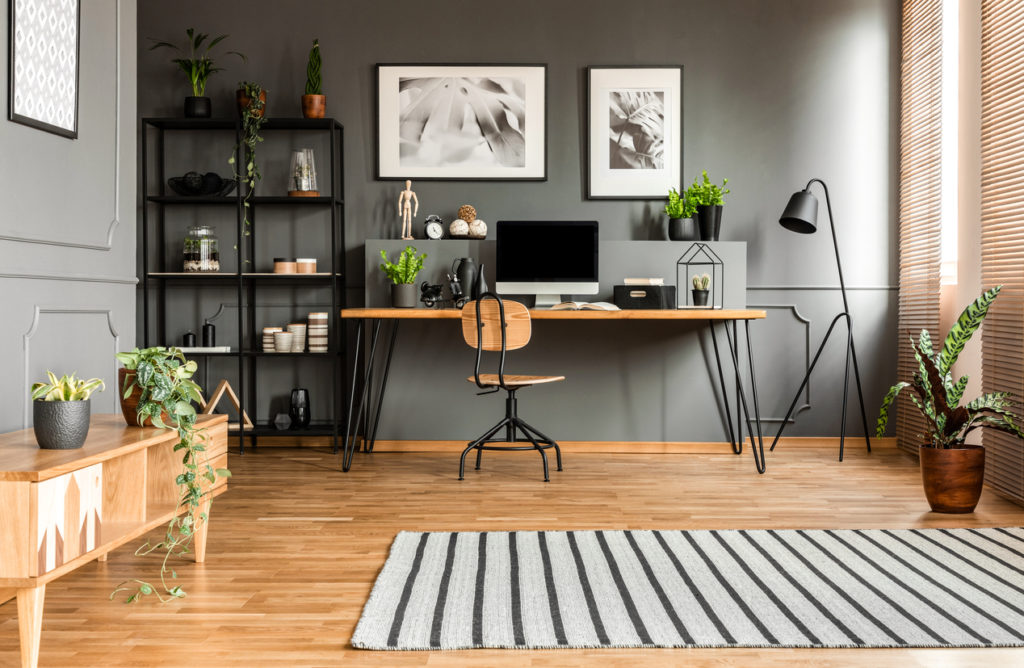
Whether you work from home or just pay bills here, your office needs systems.
Desk Surface
The Problem: Papers pile up, pens everywhere, visual clutter creates mental clutter.
The Solution: Vertical storage and ruthless minimalism.
Desk Surface Rule: Only items you use daily stay on your desk—computer, lamp, pen holder. Everything else goes in drawers.
Use Vertical Space: Floating shelves above your desk hold books, binders, and decorative items.
Products That Support This System:
- Mesh Desk Organizer with Drawers – Pens, scissors, tape all visible and accessible
- Floating Shelves – Gets items off desk surface
Paper Management
The Problem: Important documents mixed with junk mail, can’t find what you need when you need it.
The Solution: Immediate sorting and filing system.
The Paper Flow:
- Inbox: All incoming paper lands here
- To Action: Bills to pay, forms to fill out
- To File: Important documents to keep
- To Recycle: Everything else
Process inbox weekly: Sort everything into the three categories. Never let paper pile up.
Filing System: Use labeled folders or a filing cabinet with categories—taxes, medical, insurance, home documents, warranties.
Products That Support This System:
- 3-Tier Desk File Organizer – Inbox, To Action, To File
- Portable File Box with Lid – Organized folders, easy to transport
Go Digital When Possible: Scan important documents and store them in clearly labeled folders on your computer. Back up to cloud storage.
Supply Organization
The Problem: Buying duplicate scissors because you can’t find the three pairs you already own.
The Solution: Designated drawer with compartments.
Office Supply Drawer: One drawer for all supplies, divided into sections—pens, pencils, highlighters, scissors, tape, stapler, sticky notes.
The Purchase Rule: Before buying new supplies, check your drawer. You probably have it.
Storage & Utility Spaces
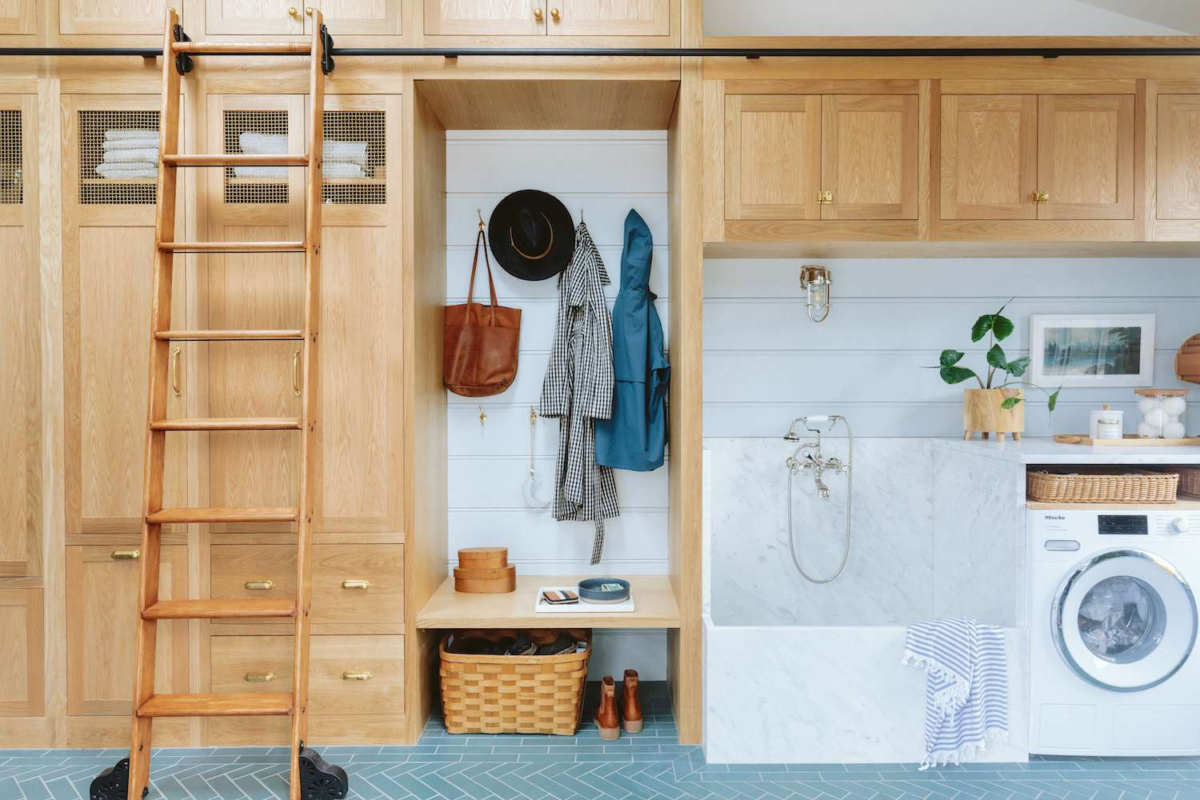
Garages, basements, and laundry rooms become dumping grounds without systems.
Garage Organization
The Problem: Can’t park your car because stuff is everywhere, tools lost in piles.
The Solution: Wall systems and zones.
Create Zones:
- Tool zone
- Sports equipment zone
- Seasonal decoration zone
- Gardening zone
- Overflow household storage zone
Use Wall Space: Pegboards, wall-mounted shelves, and hanging hooks get items off the floor.
Products That Support This System:
- Heavy-Duty Garage Shelving – Holds bins and seasonal items
- Pegboard Tool Organizer – Every tool visible and accessible
Clear Bins with Labels: For seasonal items, holiday decorations, camping gear. You can see what’s inside, labels tell you exactly what.
Laundry Room
The Problem: Detergent bottles everywhere, missing socks, piles of dirty clothes.
The Solution: Designated spots and sorting system.
Sorting System: Use three hampers or bags—whites, darks, colors. Sort as you go instead of before laundry day.
Detergent Station: Use a shelf or caddy to hold all laundry products in one place.
Products That Support This System:
- 3-Bag Laundry Sorter – Pre-sorted loads save time
- Over-the-Door Organizer – Holds detergent, stain removers, dryer sheets
The Sock Solution: Use a mesh bag for socks. Throw them in the bag when you undress, wash the whole bag, pair them when they come out. No more missing socks.
Maintenance Systems That Work
Organization isn’t one-and-done. It requires maintenance. Here’s how to make it effortless.
The 10-Minute Nightly Reset
Every night before bed, spend 10 minutes resetting your main living spaces:
- Return items to their homes
- Wipe down kitchen counters
- Put away shoes and coats
- Straighten throw pillows and blankets
When everything has a home, this takes minutes, not hours.
The Sunday Reset
Once a week, do a deeper reset:
- Clean out fridge (toss expired food)
- Empty all trash cans
- Do one load of laundry
- Reset junk drawer if it’s gotten messy
- Process paper inbox
The Seasonal Deep Dive
Four times a year (change of seasons), do a deeper organization check:
- Rotate seasonal clothes
- Purge items you haven’t used
- Check expiration dates (medicine, pantry, cleaning supplies)
- Reorganize areas that have gotten messy
The One-In-One-Out Rule (Ongoing)
This prevents re-accumulation. Every time something new enters your home, something similar leaves.
New shirt? Donate an old one. New kitchen gadget? Get rid of the one you never use.
Organization for Different Living Situations
Your organization needs differ based on your living situation. Here’s how to adapt these systems.
Small Apartments and Studios
Maximize Vertical Space: Use tall bookcases, over-door organizers, and wall-mounted storage. Floor space is premium—use your walls.
Multi-Functional Furniture: Ottoman with storage inside, bed with drawers underneath, coffee table that lifts to become a desk. Every piece should serve multiple purposes.
Under-Utilize Rather Than Over-Utilize: It’s better to have breathing room in your storage than to pack every inch. Overstuffed storage becomes unusable storage.
The One-Piece Rule: When space is limited, everything you keep should serve a purpose or bring genuine joy. No “just in case” items taking up precious room.
Homes with Kids
Low Storage for Kids: Put items kids use daily (toys, books, shoes) in storage they can reach independently. They’re more likely to put things away when they don’t need help.
Toy Rotation System: Keep half the toys in storage, rotate monthly. Fewer toys out means easier cleanup and renewed interest in “new” old toys.
Labeled Picture Bins: For pre-readers, use pictures on labels so kids know where things go without asking.
The One-Toy-Out Rule: Before getting out a new toy, the current toy goes away. This prevents total room destruction.
Nightly Cleanup Routine: Set a timer for 10 minutes, play music, everyone helps. Make it a game, not a punishment.
Shared Spaces with Roommates
Divide Storage Clearly: Each person gets designated shelves, drawers, or cabinet space. No confusion about what belongs to whom.
Communication About Shared Items: Agree on what’s shared (cleaning supplies, paper towels) and what’s personal (food, dishes). Write it down if needed.
Weekly Cleaning Rotation: Create a simple chart so responsibilities are clear and fair. Rotate tasks monthly so no one gets stuck with toilets forever.
Respect Common Area Systems: If someone creates an organization system in a shared space, maintain it. Don’t create chaos in communal areas.
Frequent Movers (Renters)
Avoid Permanent Solutions: Use removable hooks, freestanding shelving, and organizers that don’t require installation. You’ll take them with you.
Uniform Storage Bins: Buy bins that stack and fit standard shelf sizes. They’ll work in your next place too.
Minimal Accumulation: If you know you’ll move soon, be aggressive about not accumulating items. Less stuff equals easier, cheaper moving.
Digital Over Physical: Choose digital books, streaming services, and cloud storage instead of physical media that weighs down moving trucks.
The Psychology of Staying Organized
Understanding why we accumulate clutter helps prevent it.
Decision Fatigue and Clutter
Every item without a home requires a micro-decision: “Where should this go?” When you’re tired, those decisions feel impossible, so items get set down “temporarily” and never moved.
The Solution: Pre-make decisions by assigning homes. No thinking required—it always goes in the same spot.
Sunk Cost Fallacy
“I spent money on this, so I can’t get rid of it.” This keeps useless items in your home forever.
The Solution: The money is spent whether you keep it or donate it. Keeping something you don’t use doesn’t recover the cost—it just clutters your space.
“Someday” Syndrome
“I might need this someday.” Statistically, you won’t. And if you do, you can buy or borrow it then.
The Solution: If you haven’t used it in a year, donate it. Exceptions: seasonal items, formal wear, truly sentimental pieces.
Emotional Attachment to Objects
We keep things because of who gave them to us or what they represent, not because we actually use or like them.
The Solution: Take a photo of sentimental items you don’t actually want to keep. The memory is preserved without the physical clutter.
The Container Principle
Your space is a container. When the container is full, something must leave before something new enters.
The Solution: If your closet is full, you can’t add clothes without removing some. This naturally limits accumulation and forces intentional purchasing.
(pps you don’t need immediate alerts from. Reduces stress and distraction significantly.)
Common Organization Mistakes
Learn from these so you don’t waste time and money.
- Buying Organizers Before Decluttering: You can’t organize clutter. Declutter first, then see what storage you actually need.
- Creating Systems That Are Too Complicated: If your system requires five steps to put something away, you won’t maintain it. Simple systems win.
- Organizing for Who You Want to Be, Not Who You Are: Stop creating systems for the person who color-codes everything and folds fitted sheets perfectly. Organize for your actual behavior and habits.
- Not Labeling: You’ll forget. Your family will forget. Label everything.
- Letting Things Get Too Bad Before Resetting: Don’t wait for chaos. Do small, frequent resets instead of massive reorganization projects.
- Buying Mismatched Storage: You don’t need everything to match perfectly, but similar bins and baskets create visual cohesion and stack better.
What’s Next?
You have the principles. You understand the systems. Now it’s time to implement room by room.
Start with the space that causes you the most daily frustration. Maybe it’s the kitchen pantry where you can never find what you need. Maybe it’s the closet where getting dressed takes 20 minutes of searching. Whatever space creates the most stress, start there.
Implement the system fully in one space before moving to the next. When that space functions smoothly for two weeks, move on. Your entire home will be organized within a few months, and the systems will maintain themselves with minimal effort.
Organization isn’t about perfection. It’s about creating systems that make your life easier, reduce decision fatigue, and let you find what you need when you need it.
Downloadable Home Organization Checklist
Ready to organize your entire home room by room? Download the Free Home Organization Checklist
Get the complete system with:
- Room-by-room organization checklists
- Decluttering decision trees
- Maintenance schedule templates
- Product recommendations by category
- Space for notes and progress tracking
Print it, follow the systems, and finally have an organized home that stays that way.
Hey Homie,
Organization is one of those things that seems overwhelming until you break it into systems. You don’t organize your entire home in a weekend. You create one system at a time, let it become habit, then add another.
The best organization system is the one that works for how you actually live—not how Pinterest tells you to live. Start simple, be realistic about your habits, and give yourself permission to adjust systems that aren’t working.
Your home will never be perfect. That’s okay. The goal is functional, maintainable organization that makes your daily life easier.