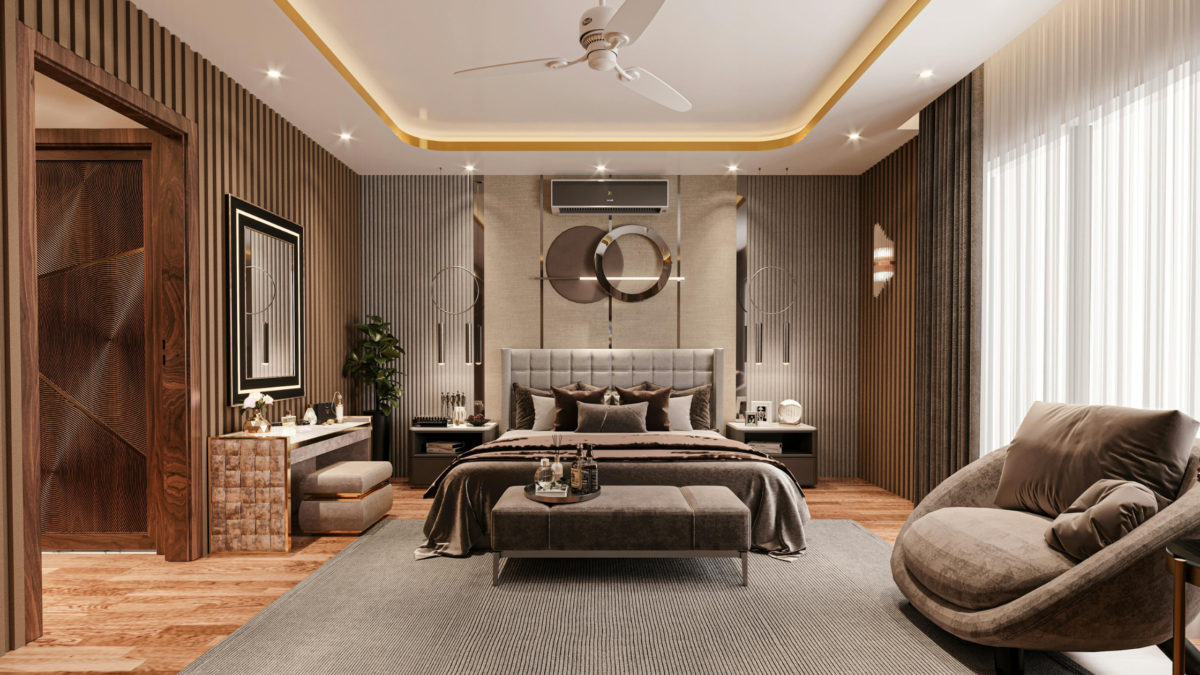
The living room is a war zone of hand-me-downs. Mismatched chairs from college, a sagging couch that’s seen better days, bare walls staring back at you, and that one lamp from your parents’ garage sale casting all the wrong shadows. The floor feels cold because there’s no rug to ground it, and every time you sit down, you sink into a void where comfort should be.
Here’s the part that hits home: you’ve tried fixing it before. Maybe you grabbed some throw pillows from Target on sale, watched a few YouTube room makeovers, rearranged the furniture against the wall like every basic diagram shows. It looked okay for a weekend, maybe you even snapped a photo for Instagram. Then life happened—friends over, kids jumping, or just daily use—and it fell apart again. Pillows slid off, the couch looked lumpier, and clutter piled up on every surface because there’s nowhere else to put it.
The problem wasn’t that you didn’t try or that you lack style. The problem was buying pieces that don’t fit your actual room or how you live in it. A huge sectional in a tight space blocks walkways and feels claustrophobic. Cheap pillows without structure flatten out fast. No rug means the room echoes and feels unfinished, no matter how much you fluff.
This guide doesn’t throw more random Amazon links at you. It starts with figuring out your room’s real shape and your habits, then matches products that solve those exact issues. No fluff, just the stuff that sticks.
Before You Buy Anything: The Living Room Audit
Grab a tape measure and a notepad right now—don’t skip this. Walk into your living room and measure the length, width, and height of the main seating area. Note the door swings, windows, and traffic paths where people walk most. Is it a long narrow rectangle, a square box, or an awkward L-shape around a corner? Check your ceiling height too; low ceilings make bulky furniture overwhelm.
Next, count the people who use it daily. Solo with occasional guests? Family of four piling on for movie night? Pets jumping up? Look at your habits: Do you eat here, work here, or just crash? Clutter hotspots like side tables that become junk magnets tell you what storage you need. Natural light matters—dark room? Prioritize warm tones and lamps.
These details dictate everything. A 10×12 room can’t handle a 112-inch sectional without eating the space. High-traffic family needs durable fabrics, not delicate velvet. The golden rule: Size your cozy for the room’s bones and your crew’s chaos, not Instagram grids.
The 4 Living Room Types: Which Is Yours?
The Tiny Apartment Box Walls close in fast, every inch counts. Modular pieces that tuck away work; avoid anything over 80 inches wide. Skip monster sectionals—they turn it into a tunnel.
The Narrow Pass-Through Foot traffic dominates, furniture hugs one wall. Slim loveseats and floating consoles shine here. Skip wide coffee tables—they trip everyone.
The Family Pile-On Everyone crashes together, durability rules. Deep-seat chenille sofas with storage hold up. Skip thin-legged delicate frames—they wobble under weight.
The Open Concept Drifter No walls, needs anchoring. Large rugs and U-shapes define the zone. Skip floating chairs—they get lost in the void.
Start Here: The 4 Essentials
The Seating Anchor
Why this matters: Without a solid seating core, the room feels like a lobby, not a hangout. You end up perching on edges or avoiding it because it’s uncomfortable. The right piece pulls everyone in naturally, turning empty space into your default spot.
What to look for:
- Chenille or corduroy fabric—soft, hides pet hair, holds shape
- Modular with ottoman—rearrange for your layout
- Deep seats over 22 inches—sink-in cozy without sagging
- Under 100 inches for most rooms—measure first
Reality check: Most grab the cheapest “couch,” but flimsy frames collapse in a year. Wood or reinforced bases last.
This is the one I use now: the U-Shaped Sectional Couch in Dark Grey Chenille. It’s 112 inches but fits narrow rooms by hugging walls, double chaise for lounging, and the fabric doesn’t show every spill. Amazon’s Choice for a reason—built for apartments but scales up.
Or scale down with the WorthFurni Chenille Loveseat—89 inches, USB ports for charging during Netflix, removable cover for washes. Pick the sectional for 4+ people, loveseat for couples.
The Grounding Rug
Why this matters: Bare floors make noise bounce and feet cold; the room feels like a waiting area. A rug warms acoustics, defines zones, and makes furniture feel planted.
What to look for:
Reality check: Fancy high-pile sheds and traps dirt; skip unless vacuuming daily.
Grab the JONATHAN Y Hallie High-Low Curve Area Rug—beige/cream Japandi style, hose-washable, pet-friendly. It anchors without dominating, perfect for open spaces.
The Table Trio
Why this matters: No surfaces mean drinks on the floor, remotes lost, feet up nowhere. Tables create function without clutter—storage hides the mess.
What to look for:
Reality check: Glass tops show fingerprints forever; wood hides better.
Start with the VASAGLE Lift Top Coffee Table—gas spring for height, hidden drawers swallow clutter. Pair with VECELO End Tables Set—flip doors for small spaces. Coffee first, ends if you have lamps.
The Focal Wall Builder
Why this matters: Empty walls scream unfinished; a console or TV stand adds depth and storage for media/streamers.
What to look for:
Reality check: Open shelves collect dust bunnies fast.
The Furinno Jensen Fireplace TV Stand nails it—no heat but flickering ambiance, corner fit for tight spots.
Nice-to-Have Upgrades
COMHOMA Convertible Sofa Bed—worth it for guest crashes or small spaces needing multi-use. Skip if you never host overnight.
LITTLE TREE Console Table—behind-couch perfection for lamps/drinks in pass-throughs. Skip if no back wall space.
Convenience Concepts Khloe End Table—drawer charm for remotes. Worth it solo; skip in families where it fills fast.
Don’t Waste Money On These
Velvet anything—shows every pet hair and spill, flattens fast.
Glass coffee tables—fingerprints and breaks waiting to happen.
Overly trendy patterns—date the room in a year, hard to resell.
Open-shelf TV stands—dust magnets, cables everywhere.
Huge area rugs 10×12+ for small rooms—trip hazard, overwhelms.
Armless bean bags as main seating—zero support, back pain city.
The Living Room Process
1. Empty it all—Move furniture out or to center. See the raw space and traffic flow; this reveals dead zones you ignored.
2. Audit measurements—Tape every wall, door arc, window sill. Wrong sizes kill 90% of fails.
3. Pick seating first—Fit to room type, assemble in place if modular. Anchor prevents floating mess.
4. Layer the rug—Unroll under front legs only. Grounds without shifting.
5. Add tables second—Coffee 18 inches from sofa, ends at arm height. Test walk paths.
6. Wall focal last—Console opposite entry. Plug in, hide cords now.
7. Style minimally—3-5 pillows max, tray on coffee. Overstuff hides the new bones.
8. Test run—Family movie night trial. Adjust before permanent.
Keeping It Maintained
Sunday Reset: 10 minutes—Fluff pillows, wipe tables, remotes to drawers. Prevents weekend pile-up.
One-In-One-Out: New throw? Ditch old. Caps clutter creep.
FIFO Pillows: Front to back rotation monthly—evens wear, keeps fresh.
Vacuum Lines: Weekly rug groom—looks plush, spots dirt early.
Seasonal Swap: Bulky blankets out summer. Keeps cozy relevant.
Products don’t stay cozy—habits do. Skip a week, back to chaos.
What’s Next?
Living room sorted? Hit the affordable home decor Amazon finds for walls and lamps. Or tackle bedrooms with our home organization systems. One room at a time builds momentum.
Hey Homie,
Cozy living rooms aren’t about matching sets or designer labels. They’re about a setup where you actually want to sit, that fits your traffic and troop size without constant fixes. You failed before because pieces fought the space—now they work with it. Grab your seating anchor and rug first, test the flow, layer from there. Your room, your rules—make it pull you in daily.