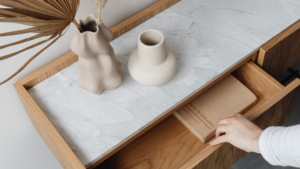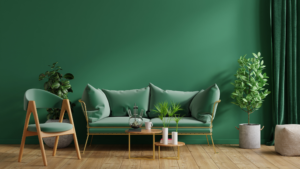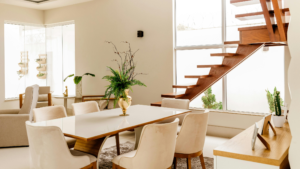
Your living room looks like a blank box. White walls, basic furniture, nothing that says “this is home.” You’ve scrolled through Pinterest for hours, saved a hundred boho aesthetic photos, and thought: I want that vibe. But then you saw the price tags. A single macrame wall hanging for $80. Handwoven shelves for $150. Suddenly the whole aesthetic felt impossible on an actual budget.
Here’s what happens next: you buy a few cheap boho pieces from Amazon, hang them up, and within a month the whole thing looks flat. The tapestry feels thin. The artificial plants look plastic-y. The wooden shelves don’t hold anything. You’re left wondering if boho on a budget is even real, or if you just wasted money trying.
The problem isn’t that boho can’t be affordable. The problem is that you bought products without understanding what actually makes boho work. Boho isn’t about having the most expensive macrame or the rarest plants. It’s about layering textures, mixing natural materials, and creating a space that feels collected and lived-in. That can absolutely happen on a budget—but only if you know what to buy and why.
This guide walks you through exactly that. Not generic “boho tips.” Not a listicle of products ranked by price. Instead, you’ll learn how to assess your actual space, figure out what your home needs first, and then find the specific products that solve those problems without breaking the bank. By the end, you’ll have a system that works for your budget and your space—not someone else’s Instagram feed.
Before You Buy Anything: The Boho Space Audit
Stop shopping for five minutes. Before you add anything to your cart, you need to understand what you’re actually working with. This is the step that saves you money and prevents the “bought a bunch of stuff that doesn’t work” trap.
Walk into the room you want to decorate. Look at the walls. Are they bare white? Do they have existing art or photos? Is there natural light coming in, or is it more dim? Look at your furniture. Is it modern, traditional, eclectic? What colors dominate the space right now? Look at the floor. Is there a rug, or just hard flooring? These aren’t random questions—they’re telling you what boho elements will actually work in your space.
Boho works best when it complements what’s already there, not when it fights against it. If you have a small apartment with minimal furniture, you need different boho pieces than someone with a large living room and lots of existing decor. If your walls are already covered with photos, adding three more tapestries will feel cluttered. If your furniture is all clean lines and modern, too many macrame pieces will look out of place.
Here’s the golden rule: Boho on a budget works when you layer intentionally, not when you buy everything and hope it sticks. You’re not filling space—you’re adding texture and warmth to the space you already have. Start small, see what actually works in your room, then add more if needed.
The Three Space Types: Which Is Yours?
Small, Minimal Spaces (Apartments, Dorms, Bedrooms) The problem: Limited wall space and small furniture means one wrong piece looks overwhelming. What works: Focus on vertical elements like macrame wall hangings or floating shelves that don’t take up floor space. Skip: Oversized tapestries or multiple large wall art pieces—they’ll dominate the room instead of enhancing it.
Medium Living Spaces with Existing Furniture The problem: You already have a couch, TV stand, and basic pieces—adding boho needs to complement, not compete. What works: Layer with plants, wall vases, and smaller art pieces that add texture without overwhelming the existing layout. Skip: Matching sets of everything—boho is about mixing, not matching.
Large, Open Concept Spaces The problem: Lots of empty wall and floor space can feel cold and unfinished without a plan. What works: Mix larger pieces like shelving units, multiple wall hangings, and plant displays to break up the space. Skip: Tiny, delicate pieces that disappear in a large room—you need presence here.
Start Here: The Four Essentials
Wall Texture (Macrame or Woven Tapestries)
Why this matters: Bare walls are the reason boho spaces feel incomplete. A single tapestry or macrame hanging completely changes how a room feels—it adds depth, texture, and instantly signals “this space is intentional.” Without it, your room still looks like a rental.
What to look for: Actual woven material (not printed fabric), neutral colors that work with your existing decor, and size that fits your wall without overwhelming it. For small spaces, look for pieces 24-36 inches wide. For larger walls, 48+ inches works better. Check the reviews—if people mention it looking cheap or thin, skip it.
Reality check: Most people buy tapestries that are too small for their wall. A 24-inch tapestry on a 10-foot wall looks like an afterthought. Measure your wall space first, then choose accordingly.
The Dahey Small Macrame Wall Hanging 2 Pcs works because it’s actual woven macrame (not printed), comes in a set so you can mix and match placement, and the reviews specifically mention it holding up and looking quality. For larger spaces, the Flber Macrame Wall Hanging Brown and White gives you more presence without the premium price tag.
Which one? If you’re decorating a small bedroom or apartment, start with the Dahey set. If you have a larger living room or want one statement piece, the Flber works better. Don’t buy both unless you have multiple walls to cover.
Floating Shelves with Rope or Wood Detail
Why this matters: Floating shelves do two things boho needs: they add functional storage and they create a place to display small decor items (plants, books, candles). Unlike regular shelves, macrame or rope-detailed shelves add texture even when empty. They’re the bridge between wall art and functional furniture.
What to look for: Shelves with actual rope or macrame detail (not just wood), weight capacity that matches what you’ll put on them (at least 10 pounds per shelf), and mounting hardware that works with your wall type. Check if your walls are drywall or plaster—some hardware doesn’t work with plaster.
Reality check: Most people overload floating shelves and they sag or pull away from the wall. Less is more here. A shelf with three small plants and a candle looks intentional. A shelf crammed with ten items looks cluttered.
The Mkono Macrame Hanging Shelves Boho Wall Decor Set of 2 includes rope detail, comes with all mounting hardware, and the reviews mention they hold up well over time. If you want something simpler, the Macrame Wall Hanging Shelf Set of 2 offers similar quality with a slightly different aesthetic.
Which one? Buy one set of shelves first. See how it works in your space. If you love it and have wall space, add another set. Don’t buy multiple sets at once—you might not like how they look together.
Artificial or Live Plants with Natural Planters
Why this matters: Plants are the heart of boho. They add color, texture, and life to a space. But real plants require maintenance, sunlight, and care—and not every apartment has the right conditions. Artificial plants solve this, but cheap plastic ones look terrible. The right artificial plants in natural wood or ceramic planters look intentional, not lazy.
What to look for: Realistic-looking artificial plants (eucalyptus, ferns, and succulents look better fake than obviously plastic flowers), wood or ceramic planters that feel natural, and a mix of heights and sizes so your plant display doesn’t look uniform. Avoid anything that looks plasticky or has artificial-looking colors.
Reality check: One large plant in a corner looks empty. A collection of three plants at different heights looks intentional. Mix hanging plants with shelf plants with floor plants to create visual interest.
The Der Rose 2 Pack Boho Wall Decor Fake Plants are realistic enough that they actually enhance a space, and the 15-inch size is perfect for wall display or shelves. If you want something for a floor corner, the Sggvecsy 21 Eucalyptus Wall Hanging Decor adds height and presence without taking up much floor space.
Which one? Start with hanging plants. They’re easier to place, don’t take up floor space, and instantly make a room feel fuller. Add floor plants later if you have the space.
Wall Art or Prints in Natural Frames
Why this matters: Boho spaces need visual interest on walls. A single tapestry is good. A tapestry plus framed art plus a mirror creates a gallery wall that feels collected and intentional. The art doesn’t need to be expensive—it needs to feel like you chose it for a reason.
What to look for: Art with botanical, geometric, or abstract designs in earth tones. Natural wood frames or canvas prints. Avoid anything too trendy or neon-colored—boho is warm and grounded. Look for sets of three or more so you can create a small gallery wall instead of random single pieces.
Reality check: Gallery walls look best when pieces are similar in style and color, even if they’re different sizes. Don’t mix a botanical print with a geometric abstract with a motivational quote—it looks random instead of intentional.
The Boho Sun Canvas Wall Art Set of 3 gives you three coordinated pieces that work together, so you’re not guessing if things will look good as a group. The neutral tones work with any existing decor.
Which one? Buy one set of three. Hang them together as a small gallery, or spread them across the room if you have multiple walls. See how it looks before buying more.
Nice-to-Have Upgrades
Wooden Wall Mirrors A mirror with a wooden frame adds boho style plus functional light reflection. Worth it for entryways, bedrooms, or living room walls where you want to make the space feel bigger. The Honiway Wall Mirror Decorative 12 inch Rustic Wood Mirror is affordable and the reviews mention it looking way more expensive than the price. Skip if your walls are already crowded with art—a mirror works best as a focal point, not one of ten things competing for attention.
Wooden Wall Vases These hold dried flowers or pampas grass and add vertical texture without needing real plants. Worth it if you want the boho look but don’t have the space for actual plants or shelves. The 2 Pack Wooden Wall Vase Set – Brown Finish comes as a pair so you can create a small display. Skip if you already have multiple wall hangings—too many elements competing for attention.
Wooden Bead Garlands Long strands of wooden beads draped over plants or mirrors add texture and visual interest. Worth it for larger spaces where you want to fill empty wall area without adding more art. Skip for small apartments where space is limited.
Macrame Key Holders or Small Wall Organizers Functional and decorative. The Mkono Key Holder for Wall Decorative Small Macrame solves the “where do I put my keys” problem while adding boho texture to an entryway. Worth it for functional spaces like entryways. Skip if you don’t have a designated entry area.
Don’t Waste Money On These
Cheap Tapestries with Printed Designs They look thin, fade quickly, and feel plasticky. The boho vibe completely disappears after a few months. Spend a bit more on actual woven tapestries that hold up.
Oversized Artificial Plants for Small Spaces A 3-foot tall fake plant in a studio apartment makes the space feel smaller and more cluttered. Boho is about creating warmth, not blocking sightlines.
Matching Boho Sets (Shelf + Mirror + Art All Coordinated) They look like you bought a “boho starter pack” instead of curating a space. Boho is about mixing and layering, not matching everything.
Decorative Items You Don’t Actually Need Extra candles, small wooden signs, tiny planters—they add clutter without function. Every piece should either serve a purpose or genuinely make you happy. Skip the filler.
Wall Decor That Requires Lots of Maintenance Real plants that need specific light, delicate macrame that needs constant cleaning, anything fragile. Boho should feel effortless, not like a second job.
Pieces That Don’t Match Your Existing Space Buying bright turquoise boho decor when your furniture is all neutral grays. Buying tiny delicate pieces when your space is large and open. Assess first, buy second.
The Boho Decorating Process
Step 1: Measure Your Walls Exact measurements prevent the “too small for the wall” problem. Measure height and width of each wall you’re decorating. Write them down. This takes five minutes and saves you from buying pieces that don’t fit.
Step 2: Choose One Focal Point Per Wall This is either a large tapestry, a gallery wall, or floating shelves. One focal point creates intentionality. Multiple competing focal points create chaos. If you have a 12-foot wall, that’s one focal point, not three.
Step 3: Add Supporting Elements Around the Focal Point If your focal point is a large macrame hanging, add a mirror or small art piece nearby. If your focal point is floating shelves, add plants and small decor items on the shelves. The focal point needs context.
Step 4: Hang Everything at Eye Level (57-60 inches from floor) This is the standard for wall art and makes everything look intentional instead of randomly placed. If you have multiple pieces, center them around this line.
Step 5: Step Back and Look Before adding anything else, stand back and look at your work. Does it feel balanced? Does one wall feel empty while another feels crowded? Boho should feel curated, not chaotic.
Step 6: Add Plants and Small Decor Items Last These are the finishing touches that make a space feel lived-in. Add them after the wall pieces are up, so you’re not constantly rearranging.
Step 7: Wait a Week Before Buying More Live with your new boho space for a week. You might realize you love it as-is, or you might see exactly what’s missing. This prevents impulse buying and buyer’s remorse.
Keeping Your Boho Space Looking Intentional
The Monthly Reset Once a month, step back and look at your space like a guest would. Are things dusty? Is the arrangement still working or does it feel cluttered? Boho spaces need maintenance to stay looking fresh, not abandoned.
The One-In-One-Out Rule When you buy a new boho piece, remove something old. This prevents accumulation and keeps the space from feeling like a storage unit. Boho is about curation, not collecting everything.
Rotate Seasonal Elements Swap out wall art or add seasonal plants. This keeps your space feeling fresh without spending money constantly. A simple change—different tapestry in summer, warmer tones in fall—makes everything feel intentional.
The Reality Check Boho spaces don’t maintain themselves. The difference between a beautiful boho room and a cluttered mess is intentionality. Every item should have a reason to be there. If you’re keeping something just because it was expensive or you feel guilty about it, that’s clutter, not decor. Let it go and replace it with something you actually love.
What’s Next?
Your walls are handled. Now tackle the next problem: living room organization and storage or affordable home decor finds for other rooms. Create one working system at a time. When boho walls become automatic, move to the next challenge.
Hey Homie,
Boho on a budget isn’t about having the most expensive macrame or the rarest plants. It’s about understanding your space, buying pieces that actually work in it, and creating a room that feels collected and intentional. Start with the essentials—one tapestry, one shelf, some plants, some art. See what works. Add more if needed. The goal isn’t Pinterest perfection. The goal is a space that feels like home, looks intentional, and doesn’t break the bank. You’ve got this. Start with one wall this week.