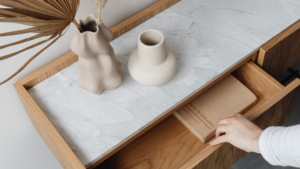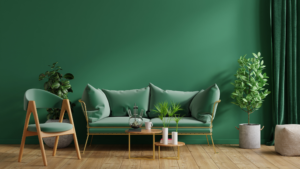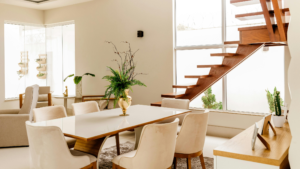
The living room corner has that one sad plant with yellowing leaves drooping over the edge of a too-small pot. The kitchen windowsill is cluttered with mismatched plastic nursery pots, dirt spilling onto the counter every time you water. Upstairs, there’s a shelf of “easy care” succulents that somehow turned to mush, and the entryway table sports a fake plant that’s gathered so much dust it looks real but dead.
Here’s the part that hits home: you’ve tried this before. You saw the Instagram reels, ordered a bunch of cute planters from Amazon during Prime Day, maybe even grabbed some low-maintenance plants from the grocery store. Everything got repotted neatly, you set up a watering schedule on your phone… and a month later, half the plants are crispy, the pots are cracked from overwatering, and you’re back to staring at empty shelves wondering why plants hate you.
The problem wasn’t your green thumb (or lack of one). It was buying planters and plants that didn’t match your actual light, your watering forgetfulness, or the weird shelf depths in your new place. Those trendy matte black pots look great in photos but tip over on renters’ hollow baseboards. The “indestructible” snake plants die when there’s no drainage because water sits and rots the roots. Effort got wasted on products that fought your home instead of working with it.
This guide cuts through that. We’ll audit your spaces first so you buy what fits your light, your forgetfulness level, and your home’s quirks. Then specific Amazon plants and planters that solve real problems, not just fill carts.
Before You Buy Anything: The Plants and Planters Audit
Grab a notebook or your phone notes app and walk through your home right now. Don’t guess—measure the spots where plants could go. Note the light: is it direct sun blasting the windowsill for hours, or indirect glow from a north-facing room? Check surfaces: carpet that stains easy from spills, wood floors that scratch if pots tip, or tile that hides dirt but echoes every drop. Measure shelf depths and heights—those cute 4-inch pots vanish on 12-inch deep fireplace mantles.
Look at your habits too. How often do you remember to water? Be honest—if it’s once a month, self-watering is non-negotiable. Got pets or kids? Skip anything tippable or chewable. Count your spots: one entryway table, three kitchen windows, a balcony railing? Tally what you already own—those free nursery pots from last year’s impulse buy might work if you cover them right.
Patterns tell the story. Low light + forgetful watering = fake plants or ultra-hardy ZZ plants in self-watering pots. Sunny balcony + daily check-ins = herbs in railing planters. Tight shelves + stain-prone floors = lightweight plastic with saucers. The golden rule: Match the plant and planter to your light and laziness, not your decor dreams. Pinterest corners work in perfect light; your home needs solutions that stick.
The 4 Plants and Planters Space Types: Which Is Yours?
Low-Light Forgetter The dim apartment corner where you water when leaves scream. Go self-watering plastic pots with ZZ or snake plants. Skip heavy ceramics—they crack when you overcorrect with a flood.
Sunny Windowsill Warrior Direct sun on the kitchen sink where you see plants daily. Herbs or succulents in terracotta-style with drainage. Skip self-watering—too much sun cooks the reservoir.
Balcony or Renter Rail Outdoor railing or porch with wind and weather. Lightweight resin railing planters with drainage hooks. Skip glass or ceramic—they shatter or blow over.
Statement Floor Spot Empty living room floor needing height. Tall faux olive trees or concrete-look planters for real fiddle leafs. Skip tiny pots—they get lost and tip easy.
Start Here: The 5 Essentials
Drainage Pots for Everyday Plants
Why this matters: Without drainage, water pools and rots roots—your “unkillable” pothos drowns in two weeks. Holes plus saucers catch drips so you don’t ruin floors in your new rental. This stops 80% of newbie plant deaths before they start.
What to look for:
- Multiple holes, not one tiny one that clogs with soil
- Attached saucer deep enough for real water volume
- Lightweight plastic or resin under 1 lb empty
- Stackable sets for varying plant sizes
Reality check: Most cheap pots have fake drainage—lids that “look” like holes but trap water. Test by filling; real ones drain fast.
I’m using the Utopia Home Plant Pots Indoor with Drainage Holes – Set of 5 everywhere right now—it’s an Amazon’s Choice with sizes from 4.8 to 7 inches that fit my mismatched shelves perfectly, and the white plastic doesn’t show dirt like black does. For a step up in style, the Lifemaster Plant Pots with Multi Drainage Holes – 5 Pieces in black stack neatly and grip shelves without slipping.
Start with Utopia if you’re testing waters (under $15 for five); Lifemaster if you want matte black that hides water spots.
Self-Watering for Forgetters
Why this matters: If you water when the plant wilts (guilty), reservoirs keep soil moist for weeks. No daily checks, no brown tips—perfect for busy new homeowners.
What to look for:
Reality check: “Self-watering” often means glorified saucer—real ones have tubes or fabric wicks.
The Plant Pots 10/9/8/7.5/7 Inch Self Watering Pots, Set of 5 is what I grabbed for my low-light corner—black and brown tones blend anywhere, and the saucers actually hold water without tipping. Pair with a ZZ plant, and it’s set-it-and-forget-it.
One set covers your whole house; pick based on dominant plant size.
Statement Floor Planters
Why this matters: Floor plants fill empty new-home spaces instantly, but flimsy pots wobble and spill on carpet. Sturdy tall ones anchor rooms without daily babysitting.
What to look for:
- 12+ inches tall, wide base for stability
- Drainage plug you can seal for indoors
- UV-resistant resin mimicking concrete or wood
- Weight under 5 lbs empty for moving
Reality check: Real concrete is too heavy for apartments—faux weathered finish fools everyone without breaking your back.
Kante 11.8 Inch Tall Concrete Planter lives by my entry now—smooth finish doesn’t chip, drainage works indoors or out, and it elevates a basic ficus to designer level. For bigger impact, Kante Tall Round Planter Set of 2 in brunish black stacks heights perfectly.
Kante single for one spot; set if flanking a console.
Hanging and Railing Options
Why this matters: Walls and rails have untapped space in small new homes—hanging frees floors but swings wildly without good chains or hooks.
What to look for:
- Detachable rustproof chains or hooks
- Drainage with saucer lip
- Metal or thick plastic for wind
- 8-10 inch size for real plants
Reality check: Cheap macrame rots; metal holds ivy or pothos steady.
T4U 8 Inch Hanging Planters for Indoor Plants, 2 Pack with chains fit my balcony rail—no drilling for renters, white hides dirt. Bloomers Railing Planter clips direct to fences.
Hanging for indoors, railing for outdoors.
Low/No Maintenance Plants
Why this matters: New homes mean chaos—pets, moves, life. Faux or ultra-hardy mean green without guilt or daily chores.
What to look for:
- Realistic leaves that don’t shed
- Weighted base pots
- Air-purifying live ones like ZZ if real
- 6ft+ for floor fillers
Reality check: Silk fades in sun; quality faux lasts years.
Costa Farms ZZ Live Plant thrives ignored; for zero effort, Nearly Natural 35in Artificial Snake Plant dusts easy and fools guests.
Live for some care, faux for none.
Nice-to-Have Upgrades
GEEBOBO 5 Tiered Tall Plant Stand—worth it for corner clutter, holds 5 pots vertically. Skip if space is tight; freestanding eats floor.
Quarut 3 Pack 10 inch Whiskey Barrel Planters—great for porch rustics, drainage saucers included. Skip indoors; too folksy for modern.
Amazon Basics Artificial Bamboo Plant—fills tall spots realistically. Skip if you want live; this is pure decor.
Plant stands for multiples only after singles are placed.
Don’t Waste Money On These
Ceramic without drainage holes—water trapped kills roots fast, even drought lovers drown.
Tiny 4-inch pots for anything over 12 inches tall—plants outgrow in months, constant repotting chaos.
Glass terrariums for open plants—humidity rots leaves, looks cute but murders succulents.
Extra-large floor pots under 20 inches wide—tippy as heck on uneven floors, spill city.
Macrame hangers alone—no structure, tangle and rot in humidity.
Cheap wicker baskets without liners—soil leaks everywhere, unravel in a year.
The Plants and Planters Process
- Empty current pots—dump soil in trash, see root rot or health. Why first: Hides problems; dead roots mean starting over anyway.
- Audit spots as above—light meter app free on phone. Why now: Wrong light kills before pots matter.
- Match types from section 3—list 3-5 plants per spot. Why targeted: Impulse buys flop.
- Buy drainage essentials first—Utopia set covers basics. Why basics: Stable base prevents disasters.
- Repot with fresh soil, holes down—water once, let drain fully. Why order: Wet roots in new pots rot instant.
- Group by needs—low light corner together. Why cluster: Watering rounds efficient, less forget.
- Add self-watering to worst forget spots. Why after: Builds on stable ones.
- Hang or elevate extras—rails last. Why end: Floor first stabilizes vibe.
- Label water dates first month—phone reminder. Why track: Habits form data.
Keeping It Maintained
Weekly Wipe-Down: Dust leaves with damp cloth—fake or real, buildup blocks light. Takes 5 minutes, prevents spider mites.
Reservoir Check: Self-watering? Peek weekly, top off if low. Ignores don’t apply here.
Rotate Rule: Turn pots 90 degrees weekly— even growth, no leaners.
One-In-One-Out: New plant? Ditch a struggler. Caps chaos.
Seasonal Shuffle: Winter to sunniest spots. Plants aren’t static.
Honest reminder: Products fail without 10-minute weekly habits. Systems beat stuff every time.
What’s Next?
Plants placed? Hit the living room essentials or home organization systems next. One green zone creates momentum. Build the calm home piece by piece.
Hey Homie,
Plants and planters aren’t about filling every surface with jungle vibes. It’s green that survives your real light, your watering whoops, and your new-home boxes everywhere. Match pots to habits—drainage always, self-water if scatterbrained, faux if overwhelmed. Start with five drainage basics, add one plant per spot, maintain with wipes and checks. Your home gets alive without the graveyard guilt. Grab that Utopia set today—repot one sad plant, see the difference.