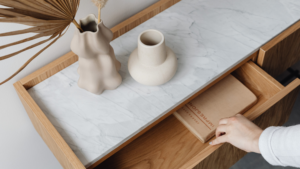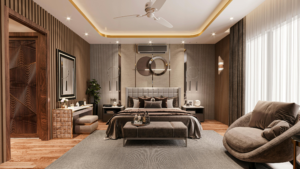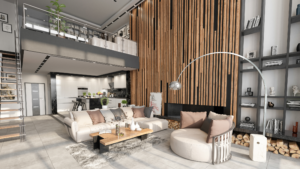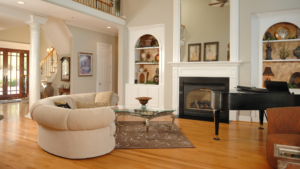
Your living room has that builder-grade beige walls vibe, with a hand-me-down couch that’s sagging in the middle, mismatched pillows from college, and bare walls staring back at you. The kitchen table is serving as both dining spot and catch-all for mail and keys, and there’s not one plant or rug to soften the echoey floors. It feels temporary, like you’re still living in someone else’s idea of a starter home.
You’ve tried fixing it before. Scrolled Pinterest for hours, grabbed some clearance frames from the big box store, hung a couple prints, maybe threw a $20 throw blanket over the couch. It looked okay for a weekend, then the colors clashed with your light fixtures, the frames got crooked and dusty, and it all just blended into the background noise again. Back to square one, wallet a little lighter.
The issue isn’t that you didn’t try or that $500 isn’t enough. It’s that most budget decorating advice pushes one-size-fits-all trends—trendy peel-and-stick wallpaper or mass-produced art—without considering your actual room’s light, layout, or the fact that you’re not staging for Instagram. Those quick fixes ignore the bones of your space, so they fade fast and leave you feeling like your home still doesn’t reflect you.
This guide cuts through that. It starts with auditing what your rooms actually need, matches solutions to your situation, and prioritizes pieces that build a real style foundation instead of temporary fluff.
Before You Buy Anything: The Home Decor Audit
Grab a notebook and walk through your main spaces right now—living room, entry, maybe bedroom or dining area. Measure the walls (height and width of empty ones), note the natural light (does one wall get morning sun? Is it dim all day?), and list what’s already there (that solid wood coffee table? The weird angled corner?). Check traffic flow—where do people walk most? That’s where clutter piles up first.
Look at your colors: Pull swatches from fabrics you own (couch, rugs, curtains) using a phone app or thrift fabric samples. Count your empty surfaces—tables, shelves, mantels—and jot down the room’s mood (cozy cave? Bright and boxy?). If you’re renting, flag no-drill zones like textured walls or lease rules.
These details tell you everything. Low light means warm tones and lamps over cool metals. High traffic spots need durable textiles, not fragile decor. The proportions reveal if you need vertical storage like tall shelves or horizontal anchors like a big rug.
The golden rule: Decorate for your room’s fixed realities—light, layout, limits—not viral trends that assume perfect spaces.
The 4 Home Types: Which Is Yours?
Bright Box (Lots of windows, neutral walls) Challenge: Feels sterile and echoey despite light. What works: Layer textures like rugs and pillows to warm it up. Skip: Dark heavy art that absorbs light.
Dim Cave (Few windows, small space) Challenge: Closes in on you fast. What works: Mirrors and metallic accents bounce light; pale walls open it. Skip: Bulky furniture that eats floor space.
Traffic Hub (High foot traffic, open layout) Challenge: Items get knocked over or buried. What works: Low-profile, grippy pieces like weighted planters. Skip: Fussy breakables or tall wobbly shelves.
Rental Trap (Textured walls, no-drill rules) Challenge: Nothing sticks or hangs right. What works: Command strips rated for art, freestanding screens. Skip: Peel-and-stick anything permanent-looking.
Start Here: The 4 Essentials
Design Blueprint Book
Why this matters: Without a plan, you buy mismatched stuff that doesn’t go together, wasting your budget on impulse picks that clash and get returned. A good book gives you rules for color, scale, and mixing high-low, so your $500 looks intentional instead of random thrift hauls.
What to look for:
- Practical projects over theory
- Budget-specific examples
- Style quizzes to match your vibe
- Photos of real homes, not mansions
Reality check: Skip glossy coffee table books—they inspire but don’t teach the how-to for tight budgets.
This is the one I keep on my shelf: Create Your Dream Home on a Budget: Practical Advice, Inspiration, and Projects. It breaks down room-by-room plans with DIYs that use what you have, perfect for seeing how $500 stretches across multiple spaces.
Grab this first if you’re visual; it’s your roadmap before spending elsewhere.
Wall Anchor System
Why this matters: Empty walls make rooms feel unfinished and cold, but random art flops because it doesn’t fit the scale—tiny prints get lost, huge ones overwhelm. The right system turns walls into your style signature without drilling holes everywhere.
What to look for:
Reality check: People overload with too many small pieces; one focal group beats scattered dots.
For versatile hanging, How to Decorate on a Budget: A Complete Guide to Beautiful, Affordable Home Design, DIY Projects, and Money Saving Interior Decorating Tips has templates for gallery walls that fit any wall size—it’s like having a pro planner for pennies.
Use it for one big-impact wall; skip if walls are super textured.
Texture Layering Kit
Why this matters: Bare floors and flat walls echo and feel cheap; layers of rug, throw, pillows add depth and coziness that paint alone can’t. Without them, even nice furniture looks flat.
What to look for:
Reality check: Trendy patterns date fast; stick to textures over bold prints for longevity.
The New Design Rules: How to Decorate and Renovate, from Start to Finish shows exactly how to layer without overwhelming small spaces—think pro secrets for amateur budgets.
One rug + two pillows covers most rooms; add throw if budget left.
Light + Greenery Base
Why this matters: Harsh overheads make everything shadowy and unflattering; no plants means stale air and no life. These fill gaps, soften edges, and make the space breathe.
What to look for:
Reality check: Cheap plastic plants scream fake; invest in realistic ones or skip.
Style Comfort Home: How to Find Your Style and Decorate for Happiness and Ease nails lighting tricks for dim rooms—grab it if your space lacks windows.
One floor lamp + two plants max for $500 balance.
Nice-to-Have Upgrades
The New York Times: Right at Home: How to Buy, Decorate, Organize and Maintain Your Space—Worth it after basics if you want maintenance tips to keep it looking fresh year-round. Skip if you’re not into reading more.
How to Decorate: A Guide to Creating Comfortable, Stylish Living Spaces—Great for personalizing further with custom mixes. Skip for rentals; too advanced.
Freestanding room dividers—Worth it for open layouts needing zones. Skip tight spaces.
Don’t Waste Money On These
Trendy peel-and-stick wallpaper—Bubbles on textured walls, peels in humidity, leaves residue on move-out.
Mass-produced canvas prints—Fade fast, look cheap up close, no personality.
Overhead light fixtures—Hard to change in rentals, harsh glare kills mood.
Matchy-matchy furniture sets—Stiff, no character, hard to expand later.
Novelty pillows—Stains easily, trends out in a year, takes shelf space.
Glass coffee tables—Fingerprint nightmare, unsafe with kids/pets.
The Decor Process
1. Empty the space—Move furniture out or to center. See the raw walls and floors without distraction; this reveals awkward angles you ignored.
2. Audit as detailed above—Measure twice, note light changes by time of day. Wrong assumptions here waste half your budget.
3. Pick your anchor color—From existing pieces (couch, rug), choose one neutral base. Everything ties back to it, avoiding clash chaos.
4. Buy blueprint book first—Read key chapters on your room type. Plans prevent $100 art that doesn’t fit.
5. Paint or prime one wall—Test samples; fresh color grounds everything. Do this before decor arrives.
6. Hang focal wall art—Use audit measurements for scale. One big piece draws eye, makes room feel larger.
7. Layer floor and soft goods—Rug first, then pillows/throws. Anchors the eye before walls distract.
8. Add light and green—Position for fill light in shadows. Fills negative space without clutter.
9. Style surfaces last—Books, trays, one plant per table. Rule of threes: group odd numbers for balance.
10. Live test for a week—Shift what snags traffic. Tweak before declaring done.
Keeping It Maintained
Sunday Surface Sweep: 10 minutes dusting frames, fluffing pillows—prevents dust buildup that ages rooms fast.
One-In-One-Out: New decor? Ditch equal old. Stops hoard creep.
Seasonal Swap: Rotate pillows/throws quarterly for fresh feel without buying.
Light Check: Bulbs out? Replace immediately—dim rooms undo decor magic.
Habit beats product every time. A $20 throw neglected looks worse than bare couch maintained.
What’s Next?
One room styled? Hit the next bottleneck—living room clutter or kitchen chaos. Check our living room organization ideas or budget decor finds. Build one system at a time; momentum snowballs.
Hey Homie,
Decorating on $500 isn’t chasing magazine spreads. It’s crafting a space that fits your light, flow, and life—so you walk in relaxed, not overwhelmed. Prioritize anchors that solve your room’s real issues, layer from there, and maintain the system. Your home won’t be perfect, but it’ll work for you. Start with that audit today, grab one blueprint book, and build out. You’ve got the blueprint now—make it yours.