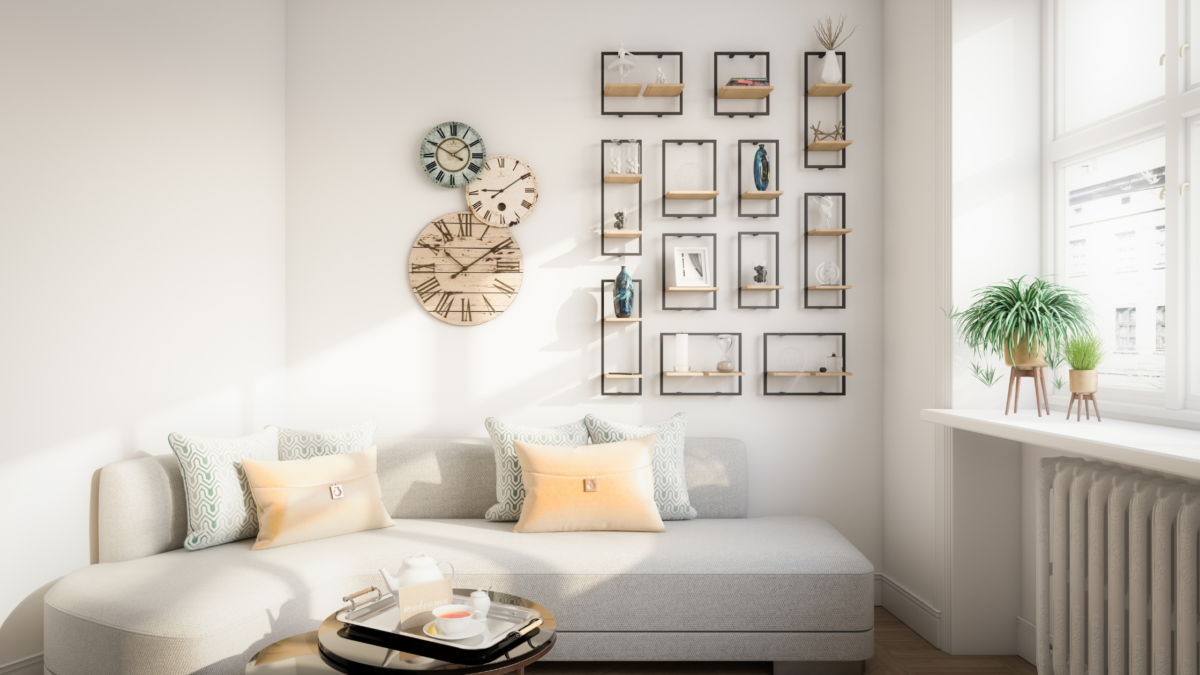
Your entryway is a disaster. Maybe it’s bare walls and an empty floor. Maybe you’ve got a coat rack that’s seen better days, a mirror leaning against the wall waiting to be hung, and absolutely nothing that ties the space together. You walk in and feel nothing—no sense of welcome, no sense of home. It just feels… empty.
Here’s the frustrating part: you’ve probably scrolled through Instagram or Pinterest and seen those stunning entryways with designer console tables, perfectly styled shelves, and coordinated decor. The price tags made you close the app. You figured looking good in an entryway costs money you don’t have.
The problem isn’t that you need to spend $500. The problem is that you’re looking at this wrong. Most people think entryway decor means one big investment piece. They save up for an expensive console table or a statement mirror and call it done. But that’s not how entryways actually work. An entryway that looks expensive comes together through layers—a mix of functional pieces, small decorative touches, and smart styling. And you can do all of that for under $150 on Amazon.
This guide doesn’t just show you products to buy. It teaches you how to think about your entryway space so you stop wasting money on things that don’t work for your actual situation. We’ll walk through exactly what matters, what doesn’t, and how to build an entryway that feels intentional without the designer price tag.
Before You Buy Anything: The Entryway Audit
Stop. Before you add anything to your cart, you need to understand what you’re actually working with. Most people buy entryway decor without measuring their space or thinking about how their household actually uses the entryway. Then they wonder why nothing feels right.
Start here: What does your entryway actually need to do? Is it a drop zone for keys, bags, and shoes? Do you need somewhere to sit and take off boots? Is it purely decorative, or does it need to function? The answer changes everything about what you buy.
Next, measure your space. Not roughly—actually measure. Width, depth, height of walls. Check if you have a closet. Look at the floor. Is it hardwood, tile, or carpet? Does light come in from a window or door? These details matter because they determine whether you need a runner rug (tile or hardwood), a console table (wall space), or just wall decor (small space).
Here’s the golden rule: An entryway that looks expensive isn’t about having one perfect piece. It’s about having the right mix of functional items and small decorative touches that work together. A $40 console table looks cheap alone. Add a mirror above it, a small rug in front, a key holder, and a plant, and suddenly it looks intentional and styled. That’s the difference between a bare entryway and one that feels like home.
The Three Entryway Types: Which Is Yours?
The Narrow Hallway: You have maybe 3 feet of width and limited depth. The problem: anything you put here needs to be slim and not block traffic flow. What works: wall-mounted solutions (key holders, mirrors, shelves) and a narrow runner rug. Skip: Large console tables or wide shoe racks that eat up your floor space.
The Open Foyer: You have real wall space and floor space to work with—maybe 6+ feet of width. The problem: the space feels empty and needs anchoring. What works: a console table as a centerpiece, a statement mirror, a rug, and layered decor. Skip: tiny pieces that get lost in the space or too many small items that look cluttered.
The Apartment Entry: You have a door that opens directly into your living space with minimal dedicated entryway room. The problem: you need function without taking up precious living room real estate. What works: a slim console table, a wall mirror, hooks for coats, and a small rug to define the zone. Skip: large furniture or anything that blocks sightlines into your main living area.
Start Here: The Three Essentials
A Mirror
Why this matters: A mirror does two things at once. It’s functional—you need somewhere to check yourself before you leave—and it makes the space feel bigger and brighter. An entryway without a mirror feels incomplete. It’s the one piece that transforms a bare wall into something intentional.
What to look for: Size that fits your wall (not tiny, not overwhelming), a frame that matches your home’s style, and quality that doesn’t look flimsy. If you have limited wall space, a round mirror works better than a rectangular one. If you have height, go taller.
Reality check: Most people buy mirrors that are too small. Your mirror should be at least 24 inches wide. Anything smaller gets lost and doesn’t actually serve the space.
The Sweetcrispy 20-inch Round Bathroom Mirror is a solid choice if you want something classic and affordable. It has a clean black frame that works with almost any style, and the round shape softens a narrow entryway. The size is substantial enough to actually reflect light and make a difference.
Which one? If your entryway is narrow, go round. If you have wall height, consider a larger rectangular mirror. If you want something that leans more modern, the round mirror works. If you want farmhouse, look for one with a wood frame instead.
A Rug or Runner
Why this matters: A rug defines the entryway zone. It tells your brain “this is the entry space” and keeps dirt and moisture from spreading into your home. Without a rug, the entryway feels unfinished. With one, it feels intentional.
What to look for: Washable material (because entryways are dirty), non-slip backing so nobody trips, and a size that fits your space without being so big it blocks the door. For narrow hallways, a 2×3 runner works. For open foyers, a 3×5 or larger.
Reality check: Most people buy rugs that are too small. Your rug should be big enough that it defines the space, not so small it looks like an accent piece. If you have a console table, the rug should extend in front of it.
The Lahome Moroccan Trellis Washable Rug in 2×3 is perfect for narrow entryways. It’s washable, has non-slip backing, and the pattern adds visual interest without being too bold. The cream and multi-color works with almost any decor style.
Which one? If you have a narrow hallway, go 2×3. If you have an open foyer, look for something larger. Choose patterns over solids if your entryway needs visual interest. Choose solids if you want something that blends with the rest of your home.
Wall Decor (Key Holder or Hooks)
Why this matters: This is where function meets style. You need somewhere to put keys, bags, and coats. Without designated spots, they end up on the floor or on furniture. A good key holder or hook system solves this while looking intentional.
What to look for: Something that matches your style (farmhouse, modern, minimal), has actual weight capacity for coats and bags, and is mounted securely to the wall. Cheap plastic hooks look cheap. Wood or metal with real hardware looks better.
Reality check: Most people mount hooks too high or too low. Keys and bags should be at eye level or slightly below—somewhere you naturally reach when you walk in.
The WIPHANY Entryway Wall Key Holder with 5 Hooks has a clean metal design that works with modern or minimal styles. Five hooks is enough for a household without being overwhelming. The black finish doesn’t show dirt, which matters in an entryway.
Which one? If you want farmhouse style, look for a wooden option. If you want modern, go metal. If you have a small household, 3-4 hooks is enough. If you have kids or multiple people, go for 5+.
Nice-to-Have Upgrades
A Console Table: If you have wall space and floor space, a slim console table becomes the anchor piece. It gives you a surface for a lamp, flowers, or decorative items, and it makes the entryway feel designed. Worth it for open foyers with at least 3 feet of wall space. Skip if you have a narrow hallway or apartment entry where space is premium.
The Huuger 41.3-inch Entryway Table with Storage is industrial-style with shelving, which means it’s functional and stylish. The rustic brown finish works with most decor. At under $100, it’s a solid investment for an entryway that needs anchoring.
Decorative Accents (Vases, Bowls, or Plants): Once you have the basics in place, small decorative items layer in style. A ceramic vase with dried flowers, a wooden bowl, or a small faux plant makes the space feel finished. Worth it once your functional pieces are in place. Skip if your budget is tight—these are the last thing to buy.
The Ceramic Vase Set in Beige gives you three small vases for under $20. You can use them on a console table, a shelf, or even on the floor. The distressed finish fits farmhouse or modern styles.
A Coat Rack or Tree: If you don’t have wall space for hooks, a freestanding coat rack works. It takes up floor space but gives you a dedicated spot for coats and bags. Worth it for open foyers. Skip for narrow hallways where floor space is precious.
The Pipishell Sturdy Wooden Coat Tree with 8 Hooks is adjustable in height and has enough hooks for a whole household. The wood finish is warm and works with most styles.
Don’t Waste Money On These
Tiny Mirrors: A 12-inch mirror looks cute but doesn’t actually serve your entryway. You can’t see yourself properly, and it doesn’t reflect light. Buy at least 20 inches or go bigger. Anything smaller is decorative fluff.
Rugs Without Non-Slip Backing: An entryway rug without non-slip backing is a tripping hazard. You’ll spend more time adjusting it than enjoying it. Always check that it has backing or buy a non-slip pad separately.
Decorative-Only Shoe Racks: If you buy a shoe rack, it needs to actually hold shoes or it’s just taking up space. Most decorative shoe racks are too small to be functional. Either commit to a real storage piece or skip it.
Plastic Hooks or Organizers: Cheap plastic looks cheap and breaks easily. Invest in metal or wood hooks that will last. They cost only slightly more and look infinitely better.
Oversized Furniture for Small Spaces: A console table that’s 60 inches wide in a 48-inch entryway doesn’t work. Measure your space before you buy. An oversized piece looks worse than no piece at all.
Trendy Decor You Don’t Actually Like: Just because something is on sale doesn’t mean it belongs in your home. If it doesn’t match your style or make you happy, it’s wasting your budget and your space.
The Entryway Process
1. Measure Your Space: Width, depth, wall height, and available floor space. This takes five minutes and saves you from buying things that don’t fit.
2. Choose Your Anchor Piece: Decide what goes in your entryway first. For most people, it’s a mirror or a console table. This piece sets the tone for everything else.
3. Add Functional Storage: Hooks, a key holder, or a coat rack comes next. This is what makes the space actually work for your household.
4. Layer in a Rug: A rug defines the zone and ties pieces together. This is often the step people skip, and it’s the step that makes the biggest difference.
5. Style with Small Accents: Once the functional pieces are in place, add decorative items. A vase, a plant, a decorative bowl. These should come last because they’re the finishing layer, not the foundation.
6. Step Back and Edit: Look at your entryway with fresh eyes. Does it feel cluttered or sparse? Does it feel like you? If something doesn’t belong, remove it. An entryway with five intentional pieces looks better than one with ten random items.
Keeping It Styled
An entryway stays looking good through simple habits, not through buying more stuff. Implement the “Daily Reset”: Every evening, clear the entryway of the day’s clutter. Keys go in the holder, coats go on the rack, shoes go in their spot. This takes two minutes and keeps your entryway from looking chaotic.
Use the “One-In-One-Out” rule for decor. If you want to add a new decorative item, remove something else. This keeps your entryway from becoming cluttered over time.
Wipe down your mirror and rug monthly. Entryways get dirty because they’re where dirt enters your home. A quick wipe makes everything look fresher.
The honest truth: Your entryway will only stay styled if it’s functional. If your system makes it easy to put things away, people will do it. If it’s inconvenient, things pile up. Buy pieces that work for your household’s actual habits, not for what you think you should do.
What’s Next?
Your entryway is now a space that works and looks intentional. Next, tackle the problem areas that connect to it. If you have a living room that opens from your entryway, check out ideas for creating a cozy living room on a budget. If your entryway opens into a kitchen, explore small kitchen organization solutions. Create one working system at a time. When this becomes automatic, move on.
Hey Homie,
Your entryway doesn’t need to cost $500 to look intentional. It needs the right pieces in the right order: a mirror, a rug, somewhere to put your keys, and maybe one or two decorative touches. That’s it. Everything else is optional. Start with what you actually need, see how it feels, and add more if it makes sense for your space. An entryway that works for your life beats a Pinterest-perfect entryway that looks pretty but doesn’t function. Build what works for you, and you’ll actually use it.